

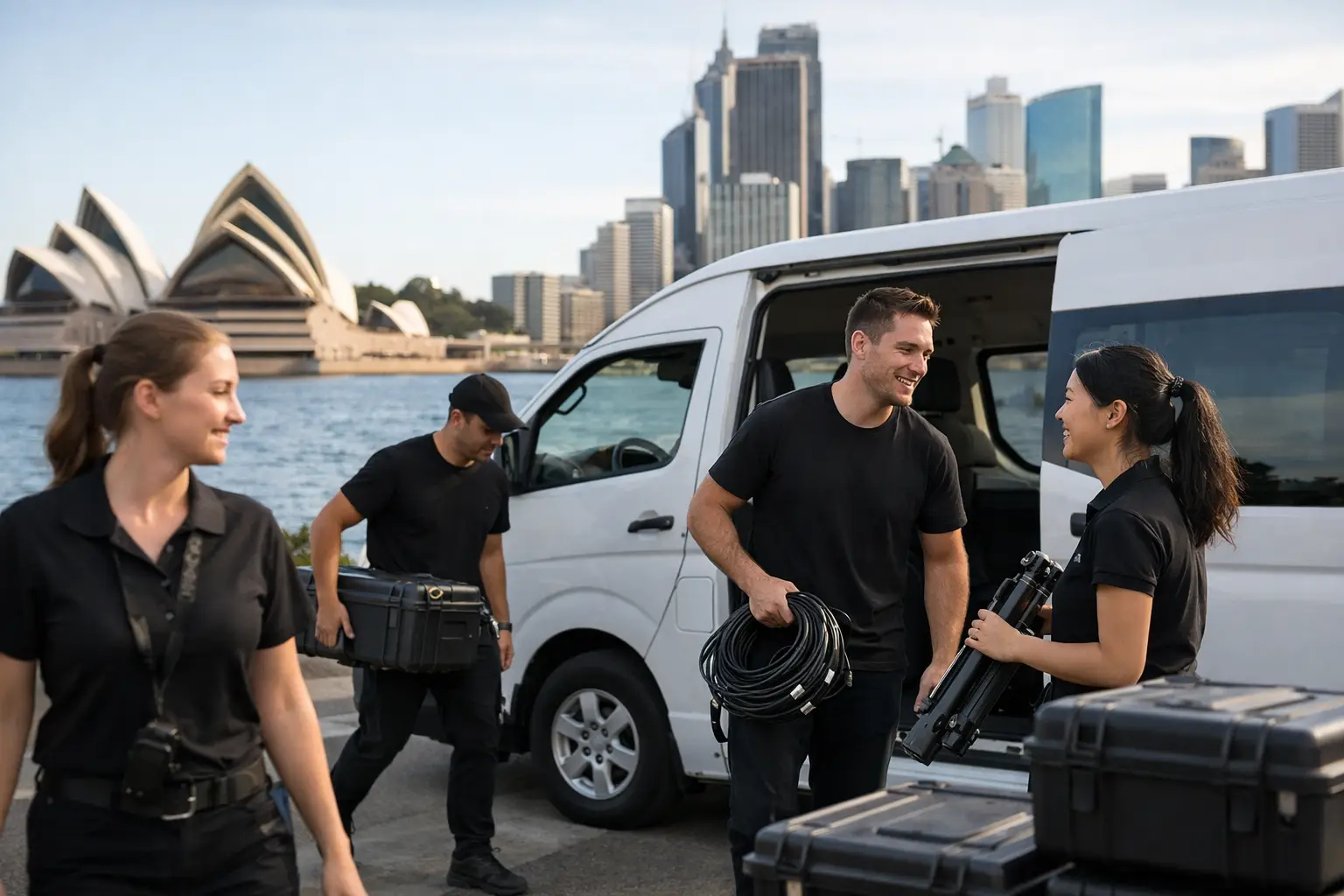
A delayed crew call can affect far more than the first item on the run sheet. When event staff transport is properly planned, organisers can get teams to site together, ready to work and without the uncertainty of individual parking, traffic delays or missed connections. For conferences, productions, sporting fixtures, weddings and large private functions, a dedicated charter vehicle gives staff a reliable start and finish to a demanding day.
Why event staff transport deserves its own plan
Staff travel is often treated as a minor event detail until numbers grow, venue access becomes restricted or the schedule runs late. Yet the people handling registration, production, catering, security coordination and pack-down need to arrive at the right place before guests do. Their travel plan should support that responsibility.
Using private cars may appear flexible, but it can create avoidable gaps. Some staff may be unfamiliar with the area, parking can be limited, and staggered arrivals make it harder to confirm that essential roles are covered. A coach or minibus charter establishes a clear pickup point, departure time and passenger list. It also provides one point of contact if plans change.
This is particularly useful in Sydney, where peak-hour conditions, major-event road closures and busy precincts can affect travel times. A professional driver who understands group movements can take the pressure off the organiser while staff focus on the work ahead.
Build the transport schedule around the event run sheet
The best transport plan starts with operational timing, not simply the event start time. Ask when the first team members must be on site, when doors open, when relief staff are required, and when the final pack-down is likely to finish. These details determine whether one return transfer is suitable or whether multiple vehicle movements are needed.
For a corporate event, the early crew may need to arrive well before presenters and front-of-house staff. A film or television production may require a precise call time at a location with limited access. A sports event can involve athletes, coaches and support personnel travelling on a different schedule to officials or volunteers. The vehicle plan should reflect these real working requirements.
Allow a sensible buffer before key deadlines. This is not about building unnecessary waiting time into the day. It is about recognising that a group cannot move as quickly as one person in a car, particularly when luggage, equipment cases, uniforms or event materials are involved. A carefully timed departure protects the event schedule if traffic is heavier than expected.
Confirm pickup points that work for a group
A convenient pickup point is more than an address. It needs safe space for passengers to wait, practical coach access and clear instructions for the driver. For office teams, the workplace may be the obvious choice. For staff arriving from different parts of the city, a central transport hub or agreed meeting point may be more efficient.
Avoid locations where a vehicle would need to stop in a narrow street, block a driveway or compete with heavy pedestrian traffic. At the venue, check loading zones, coach bays, entry gates and security requirements in advance. If staff need to be dropped at a service entrance rather than the public arrival area, provide those details when arranging the charter.
A simple message sent to all passengers the day before should confirm the pickup address, boarding time, contact number, dress or credential requirements, and what to do if they are running late. Clear communication prevents the driver from being placed in the difficult position of deciding how long to wait.
Choose the right vehicle for event staff transport
Vehicle size should be based on passenger numbers, comfort expectations and what people need to bring with them. A minibus can be a practical option for a small production crew, a management team or a group of event supervisors. Larger teams may be better suited to a full-size luxury coach with room for passengers and their belongings.
Do not book to the absolute maximum capacity if staff are carrying laptops, garment bags, signage, tool kits or personal luggage. A little extra space can make the journey more comfortable and keep aisles clear. For interstate guests flying into Sydney to work at an event, airport transfers may also require suitable luggage capacity.
Comfort matters when the team is travelling a longer distance or working a full day. Air conditioning, reclining seats, tinted windows and a clean, well-maintained interior help passengers arrive settled and prepared. An integrated PA system can also assist when a coordinator needs to share final arrival instructions with the group.
The right option depends on the event. A compact vehicle may be best where access is tight, while a larger coach can reduce the number of movements for a high-volume staff transfer. An experienced charter provider can help match the fleet configuration to the route, passenger count and venue conditions.
Keep safety and accountability at the centre
Event transport has a duty-of-care element, especially when staff are travelling early in the morning, late at night or between multiple locations. Booking a professional, accredited service provides reassurance that the vehicle and driver are operating to appropriate standards.
A reliable driver is not only responsible for getting passengers from A to B. They support orderly boarding, follow agreed access arrangements and help maintain the timing of the service. This is valuable after a long event day, when staff may be tired and organisers need a dependable way to return the group to their designated destination.
Passenger numbers should be checked before departure, particularly for out-of-town venues or late-night returns. Nominate one transport contact from the event team who can confirm attendance, communicate changes and make decisions if someone does not arrive at the pickup point. This small step avoids confusion and gives the driver a clear person to liaise with.
Plan for changes without losing control
Events rarely run exactly to schedule. A keynote can overrun, a match can go into extra time, weather can alter access arrangements, or a production may need another take. A good transport plan accounts for likely changes while setting clear boundaries around the booked movements.
When making an enquiry, share the full picture: event type, passenger count, pickup and drop-off locations, key timing, luggage or equipment needs, and any access restrictions. If there is a chance the finish time may shift, flag it early. The more accurate the information, the easier it is to build a practical charter arrangement.
For complex events, it can help to separate passengers into operational groups rather than attempting to move everyone in one vehicle. For example, the early setup team, main event staff and pack-down crew may each need their own transfer. This approach requires more coordination, but it can be the most efficient choice where roles and finish times differ significantly.
Make the journey useful for your team
Transport time does not have to be lost time. On the way to the venue, a team leader can use the journey to confirm responsibilities, distribute credentials or provide a short briefing. On the return trip, staff have an opportunity to decompress rather than navigate unfamiliar roads after a demanding shift.
Keep briefings appropriate to the setting. Important operational material should still be shared in writing, particularly where staff need to refer back to it later. However, having everyone together before arrival is useful for reinforcing priorities and ensuring the team steps off the vehicle with the same understanding.
With more than 20 years of group transport experience, Bus Hire Sydney can help organisers arrange a vehicle and transfer schedule that suits the real demands of an event day. The focus should remain on safe, comfortable and reliable movement for every staff member.
A well-organised staff transfer gives your team one less decision to make when timing matters most. Set the pickup details early, allow enough travel time and choose a vehicle that lets people arrive ready to do their best work.