

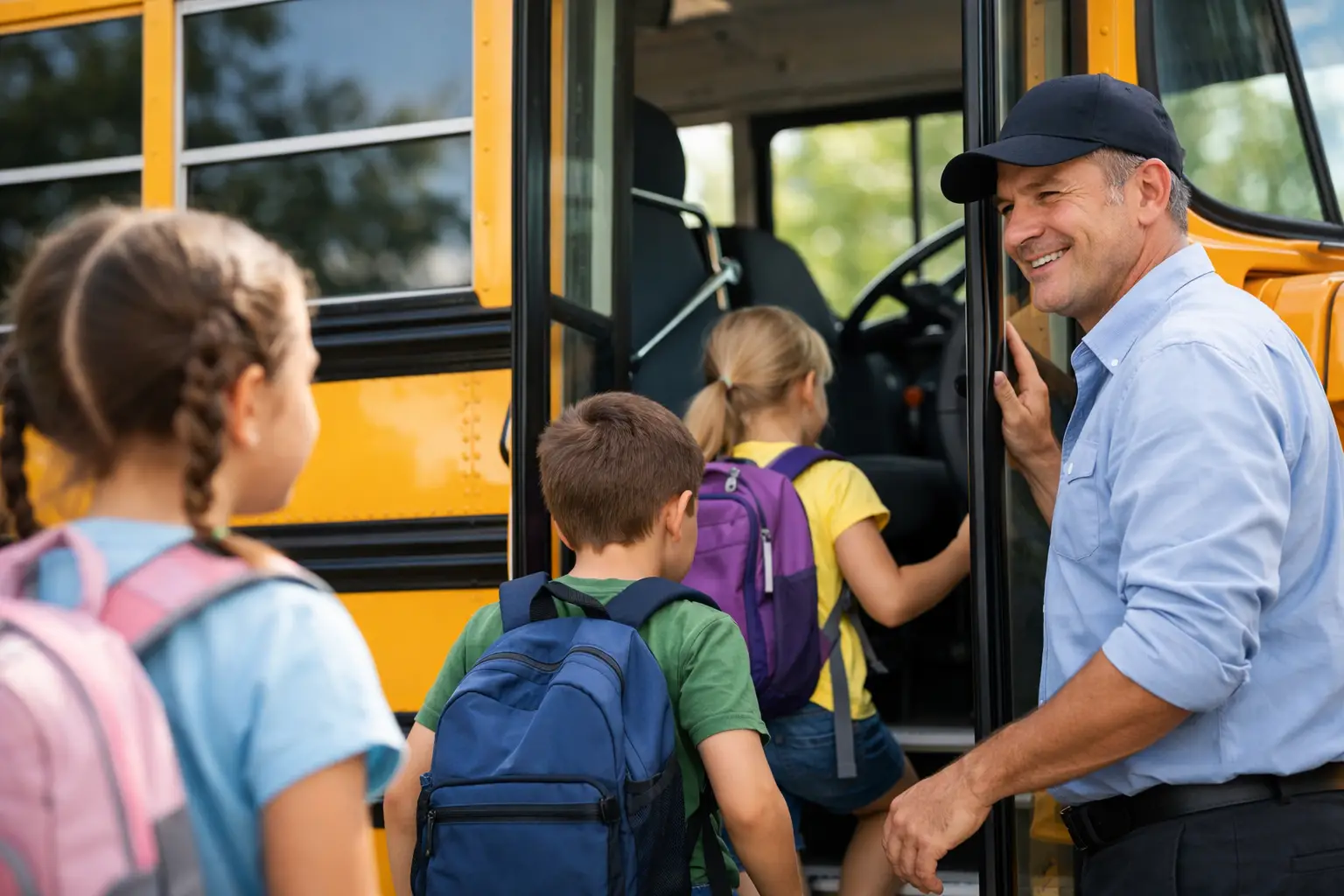
The risk points on a school excursion rarely start at the destination. They start in the timetable, at the kerb, in the boarding process, and in the gap between who assumes something has been checked and who has actually checked it. A strong school excursion bus safety guide helps schools and organisers reduce that risk before the first student steps on board.
For teachers, school administrators and excursion coordinators, bus safety is not just about having a licensed vehicle and a driver booked. It is about making sure the whole journey is planned with care – from vehicle suitability and student supervision to pickup conditions, route timing and emergency readiness. When transport is handled properly, the day runs more smoothly for staff, students and parents alike.
What a school excursion bus safety guide should cover
A useful school excursion bus safety guide needs to go beyond generic reminders. The real question is whether the transport plan fits the age group, trip type, supervision level and road conditions involved.
For example, a short metro transfer for senior students has different supervision demands than a full-day primary school excursion with multiple stops. A larger coach may be the best option for comfort and luggage capacity, but only if pickup access is suitable and students can board safely. A smaller vehicle may be easier for certain sites, but not if it creates split supervision across multiple buses. Safety decisions are rarely one-size-fits-all.
The most dependable approach is to treat transport as part of excursion risk management, not as a separate booking task. That means confirming operator accreditation, checking driver professionalism, reviewing pickup and drop-off conditions, and making sure staff know their responsibilities during transit.
Start with the operator, not just the vehicle
The vehicle matters, but the operator behind it matters more. A clean late-model coach is reassuring, but presentation alone is not a safety standard. Schools should look for an accredited operator with established procedures, experienced drivers and a clear understanding of school transport obligations.
That includes current regulatory compliance, properly maintained vehicles and drivers who are used to working with school groups. Professional school transport is different from a simple point-to-point transfer. Drivers need to understand timing discipline, passenger management expectations and the importance of calm, clear communication with supervising staff.
This is where experience counts. An operator that regularly handles school movements is more likely to flag practical issues early, such as a narrow pickup zone, a restricted turning area or a return time that clashes with heavy traffic. Those details can affect safety just as much as the vehicle itself.
Safe boarding and drop-off need planning
Many excursion transport issues happen when students are getting on or off the bus. That is why pickup and drop-off planning deserves more attention than it often gets.
The safest location is not always the closest one. A pickup point should allow students to wait well back from the road, board in an orderly way and avoid crossing traffic unnecessarily. If the school frontage is congested, a quieter internal zone or pre-arranged loading point may be the better choice. The same thinking applies at the destination. Convenience should never override safe access.
Timing also matters. If a bus arrives before supervision is in place, students can gather too early and drift. If it arrives late, the rush to board can create avoidable pressure. A realistic schedule, with some buffer for traffic, helps staff manage students properly rather than react on the spot.
The role of supervising staff
Transport safety is shared. The driver manages the vehicle. School staff manage student behaviour and attendance. Problems start when those roles are blurred.
Before departure, supervising staff should know who is checking the roll, who is managing seating if needed, who is carrying medical information and who is the key contact for the driver. On larger excursions, a simple division of responsibility can prevent confusion. It also means issues are handled quickly without delaying the whole group.
Students should receive clear instructions before boarding, not while they are climbing the steps. Expectations around seatbelts, remaining seated, keeping aisles clear and noise levels should be stated in plain terms. Younger groups usually need repeated reminders. Older students may need fewer prompts, but they should not be assumed to self-manage perfectly.
Vehicle suitability is part of safety
Choosing the right bus is not just a comfort decision. It affects supervision, access and overall risk.
A vehicle should suit the passenger count without overcomplicating the trip. If the group can fit comfortably in one coach, that often makes attendance checks, communication and supervision easier. Splitting across vehicles may still be the right choice in some cases, particularly where site access is limited, but it introduces more moving parts. When that happens, the staffing plan needs to match.
Storage is another practical issue. Backpacks, sports gear, instruments or excursion materials should not end up loose in aisles or near exits. A suitable vehicle with proper luggage capacity helps maintain a safer passenger area. Features such as air conditioning, clear PA communication and comfortable seating also matter more than they may seem at first glance. Student comfort supports calmer travel, particularly on longer journeys.
School excursion bus safety guide for route and schedule planning
The route is not just a line on a map. It affects fatigue, supervision load, toilet break planning and the likelihood of delays.
A good schedule gives the driver enough time to travel safely without pressure. Tight timing can encourage rushed boarding, poor stop coordination and unnecessary stress for staff. If there are multiple venues, each stop should be reviewed for access, waiting space and turnaround suitability. Some sites look manageable until a full-size coach needs to enter and exit them.
There is also the question of traffic conditions. In Sydney, school groups often move during busy commuter periods. A realistic departure time can reduce exposure to congestion and help keep the day on track. It may be worth leaving earlier if that means calmer roads and a safer arrival process.
Allow for the age and needs of the group
Different student groups place different demands on the transport plan. Younger children may need tighter seating arrangements and more active supervision. Students with additional mobility or support needs may require specific access considerations and extra boarding time. Senior students on assessment-related travel may need a quieter, more direct run with very clear timing.
This is where a tailored charter approach works best. The safest transport plan is the one built around the group, not one forced into a standard template.
Emergency readiness should be straightforward
No school excursion organiser wants a long emergency protocol document that nobody can use under pressure. The better approach is simple, clear preparedness.
Staff should know how to contact the driver, what to do if a student becomes unwell in transit, and how the group will be accounted for if there is an unscheduled stop. Roll information, emergency contacts and relevant medical details should be accessible to the supervising team, not buried in a bag under the seat.
It is also sensible to confirm that students understand basic bus safety behaviour in an emergency, including listening to instructions immediately and leaving belongings behind if directed. This does not need to be dramatic. Calm preparation is usually the most effective kind.
Comfort supports safer travel
Safety and comfort are often treated as separate priorities, but they work together. A stuffy vehicle, poor seating layout or noisy, unsettled trip can make supervision harder and student behaviour less predictable.
A well-maintained coach with climate control, comfortable seating and a professional standard of cleanliness helps create a more controlled travel environment. That matters on longer excursions, after physically demanding activities, or when students need to arrive ready to participate. Reliable transport should reduce strain on the day, not add to it.
For many schools, this is why working with an experienced charter provider matters. Operators such as Bus Hire Sydney build transport planning around group size, trip purpose and vehicle suitability, which makes safety easier to manage in practical terms.
Questions to ask before confirming the booking
Before the booking is locked in, schools should be confident on a few essentials. Is the operator appropriately accredited? Is the vehicle suitable for the group and destination access? Is there a clear pickup and return plan? Do supervising staff understand their role during transit? And has enough time been allowed for the trip to run safely?
Those questions are not administrative extras. They are the difference between hoping the day runs smoothly and actively planning for it.
The best excursion transport plans are usually the least dramatic. Students board calmly, staff know what they are doing, the driver has clear instructions, and the journey feels orderly from start to finish. That is what good bus safety looks like in practice – careful planning that lets everyone focus on the excursion itself.