

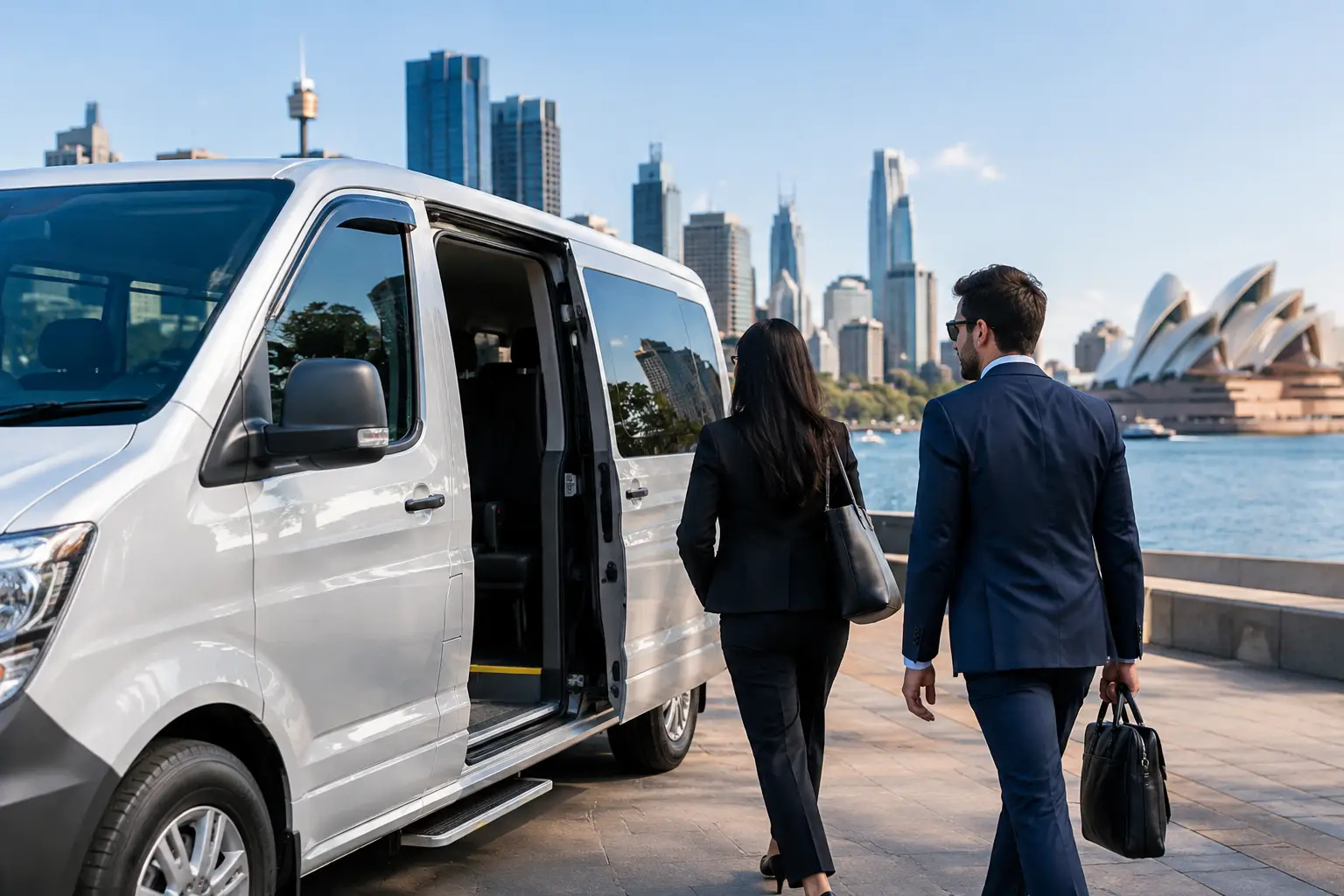
A conference schedule can be planned to the minute, yet one late transfer can leave delegates arriving flustered, speakers waiting backstage and registration queues building quickly. The best Sydney conference shuttles do more than move passengers between locations. They create a reliable transport plan that keeps the event running to time from the first airport arrival to the final transfer home.
For office managers, event planners and conference organisers, the right shuttle service should reduce coordination work rather than add to it. That means an appropriate vehicle, experienced driver, clear pick-up instructions and enough flexibility to accommodate the realities of a busy programme.
What makes the best Sydney conference shuttles?
Conference transport is not simply a standard group booking. Delegates may arrive at different times, accommodation may be spread across several hotels, and venue access can be restricted during peak periods. A suitable provider understands that the transport plan needs to fit the run sheet, not the other way around.
Reliability starts with careful pre-event planning. Pick-up addresses, passenger numbers, luggage requirements, venue loading areas and return times should all be confirmed well before the event. This gives organisers confidence that the driver has the information needed to manage each transfer professionally.
Safety is equally important. When booking for colleagues, clients or visiting delegates, choose an operator with appropriate NSW Government accreditation, well-maintained vehicles and professional drivers. These details are not administrative extras. They are central to duty of care and to providing passengers with a comfortable, worry-free journey.
Comfort matters, particularly when guests have travelled interstate or overseas, or when transfers are longer than a short trip across the CBD. Air conditioning, reclining seats, tinted windows, curtains and a clean, modern interior help passengers arrive ready to participate. An integrated PA system can also be useful for welcoming a group, confirming the return arrangement or sharing event information while en route.
Match the shuttle plan to your conference format
The best transport arrangement depends on how your event is structured. A one-day seminar with staff travelling from a single office has very different requirements from a three-day convention with airport arrivals, hotel transfers and off-site functions.
Airport and hotel transfers
For delegates flying into Sydney, grouped airport transfers are often the simplest way to start the event on the right note. Rather than asking visitors to navigate unfamiliar routes or arrange individual transport, a pre-booked coach or minibus provides a clear meeting point and a direct journey to their hotel or venue.
Allow for flight arrival windows and baggage collection when planning these services. Where attendees are arriving across several flights, it may be more practical to schedule a small number of timed departures than to hold one vehicle until every passenger has arrived. The right approach depends on the size of the group, luggage volume and the importance of getting early arrivals checked in promptly.
Venue-to-venue conference shuttles
Large events often use multiple spaces: a main conference venue, nearby accommodation, a dinner location or an off-site workshop. A dedicated shuttle keeps delegates together and prevents late arrivals caused by people trying to find parking, sharing rides or taking the wrong turn.
For repeated transfers, provide a simple timetable that shows departure points and final departure times. It also helps to nominate an on-site contact who can communicate any last-minute changes to the transport provider. Clear communication is especially valuable when sessions run over time or weather affects pedestrian movement between locations.
Delegate dinners and team functions
An evening function may be relaxed, but the transport still needs to be managed with care. A coach charter allows the whole group to leave the conference venue together and return to accommodation at a confirmed time. It is a practical option for groups travelling to restaurants, harbour venues, sporting fixtures or other organised delegate activities.
Consider whether one return departure is enough. For formal dinners and awards events, it usually is. For a function where guests may leave at varied times, a scheduled second return transfer can offer greater flexibility without losing the benefits of organised group transport.
Choose the right vehicle size, not just the biggest one
A vehicle should suit actual passenger numbers, luggage and the nature of the journey. A minibus can be ideal for executive groups, speakers or a small delegate cohort travelling between the airport and hotel. A larger coach is generally better for full conference transfers, particularly where everyone needs to travel at the same time.
Booking a vehicle that is too small creates unnecessary discomfort and can leave people behind. Booking far more capacity than required may be less efficient, especially if the group is travelling in separate waves. Give your transport provider the most accurate expected number possible, then discuss a sensible allowance for late registrations, staff and event equipment.
Do not overlook luggage. Airport delegates may carry suitcases, presentation materials or exhibition items. A coach with suitable storage helps keep the passenger cabin clear and makes boarding faster at busy terminals and hotel forecourts.
Questions to settle before confirming a conference shuttle
A well-prepared brief makes it easier to arrange a dependable service. Confirm the event date, passenger count, collection points, destination, desired arrival time and return requirements. Include the name and mobile number of the person managing transport on the day.
It is also worth checking venue access in advance. Some city hotels and conference centres have specific coach bays, restricted loading times or limited space for vehicles to wait. If your event is in the CBD, roadworks, major sporting events and peak commuter periods can influence the most suitable pick-up time and route. An experienced local operator will factor these conditions into the plan, but accurate venue details from the organiser remain essential.
For multi-day events, prepare each day as a separate movement plan. Morning hotel-to-venue transfers, midday off-site activities and evening returns can all be coordinated under one broader booking, but each movement should have clear timing and passenger expectations.
Why a dedicated charter is often the safer option
Public transport and individual rides may work for a handful of attendees, but they are difficult to control for a conference group. Delegates can be delayed, arrive at different entrances or miss a connection. When the programme has a fixed start time, those small disruptions quickly become an event-management issue.
A dedicated shuttle provides one point of responsibility and a consistent travel experience for the group. It also allows organisers to make practical adjustments, such as adding a hotel pick-up, changing a return time or arranging separate transport for a speaker group, provided the changes are communicated early enough.
Bus Hire Sydney plans conference coach and minibus charters around the group, schedule and vehicle requirements. With accredited operations, experienced drivers and a modern luxury fleet, the focus is on safe, professional transport that supports the event rather than distracting from it.
A simple way to keep transport on schedule
The strongest conference shuttle plans are detailed without being complicated. Build the itinerary around when people must arrive, then work backwards to allow for boarding, traffic conditions and venue access. Give delegates a concise message before each transfer: where to meet, when boarding begins and who to contact if they are delayed.
On the day, avoid changing pick-up points unless necessary. A familiar meeting place, a visible vehicle and a driver who has been briefed on the schedule provide reassurance for guests and save organisers from answering avoidable questions.
When every transfer has a clear purpose and a properly matched vehicle, group travel becomes one less moving part for the event team to manage. That leaves organisers free to focus on the conference itself, while delegates travel in comfort and arrive where they need to be, ready for the day ahead.